What is a VPN?
A VPN, or virtual private network, establishes a protected network connection and boosts your security online. VPNs encrypt your browsing data even on public networks and shield you from advertisers and other third parties who are keen to track your browsing habits when you visit websites and access content.
A virtual private network can give you greater privacy, using encryption to protect your online identity from your internet service provider and prying eyes. A VPN routes your data through a remote server, changes your IP address, and creates a secure VPN connection between your device and the rest of the internet.
Here’s how it works. A VPN provider maintains a number of servers in locations around the world. When you use a VPN, all the internet traffic to and from your device is routed through one of the VPN servers. Your data moves inside an encrypted tunnel, which provides protection from snoopers and man-in-the-middle attacks. That’s how a VPN connection works on the technical side — if you want to understand how these protections work in practice, you can learn how to use a VPN from our detailed article, which will walk you through the basics step by step.
Top 10 VPN uses
Besides keeping you safer in cyberspace, a VPN offers multiple other benefits that may improve your online experience. Below are 10 ways to use a VPN, some of which you may not have heard of.
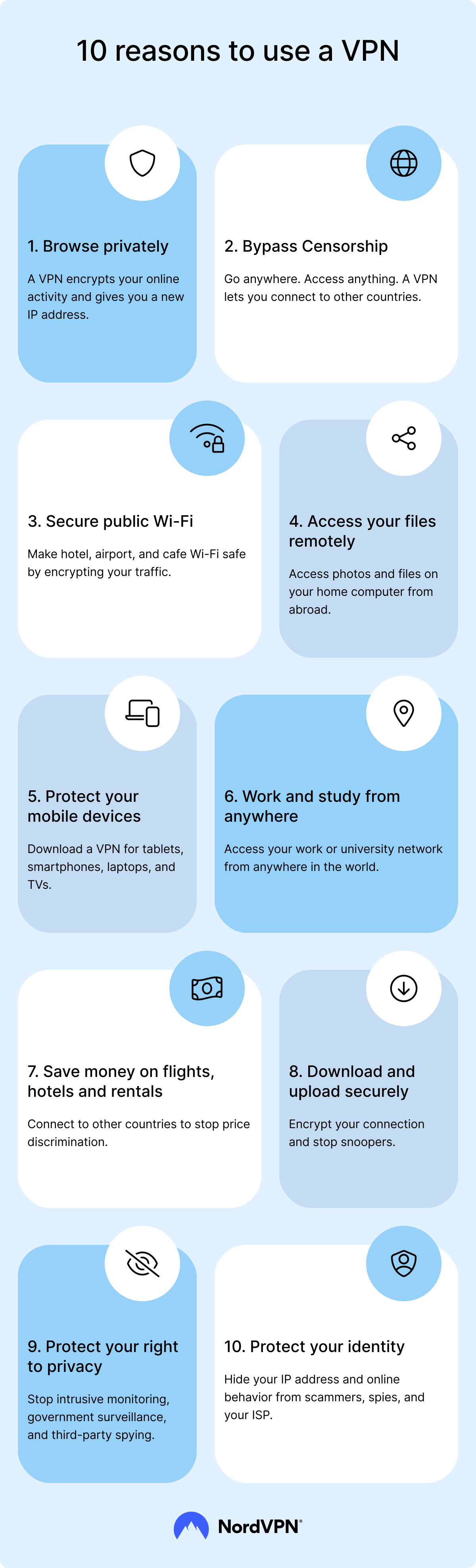
1. Protect your right to privacy
One of the most basic and important functions of a VPN is protecting your right to privacy. Every individual should be able to communicate and access the free internet, and their right to a more private online experience needs to be respected. Using a VPN can give you back some control over your data and who gets to see it, log it, and monetize it.
2. Make public Wi-Fi more secure
Connecting to open networks isn’t always safe, but you can secure your Wi-Fi network with a VPN. A common misconception is that public Wi-Fi requires no additional safety precautions. Surveys show that 81% of Americans use public hotspots regularly, but only 1% use a VPN server to secure their network activity on public Wi-Fi.
If a Wi-Fi connection isn’t encrypted or has been set up by a hacker, connecting to it could expose your browsing activity. A VPN protects you by encrypting your internet connection, limiting the risk of potential malware infection, and preventing your details from being stolen while using public Wi-Fi.
3. Access websites while traveling or working
If you are abroad and want to access websites or services you use at home, but they are blocked due to country restrictions, turn on a VPN. A VPN can help you securely stream your favorite TV shows, sports games, or other paid subscriptions from your home country while you’re lying under a thatch umbrella on a sunny beach. You can also use it to unblock Tinder and update your profile with the latest vacation photos.
A VPN is also great for remote learning and working because it allows you to switch locations and access work or university networks/intranets in restricted areas. A VPN will help you access files and websites, secure web traffic on publicly open networks, and protect you from third-party invasion and potential malware infection.
Please note that using NordVPN to bypass any regulatory or judicial measures, or for any other illegal activity, is strictly prohibited and violates our Terms of Service. Make sure you use NordVPN in compliance with all applicable laws and regulations, as well as the terms of any websites or services you access using NordVPN.
4. Find the best deals and avoid price discrimination when shopping online
Imagine getting off a flight and going directly to the closest cafe for a cappuccino. At the counter, you discover that they want to charge you $5, while the guy before you paid $4 for the same coffee just because he’s a local. Sounds unfair, right? Well, this happens online all the time.
According to our research, UK vacationers pay up to 97.5% more for bookings. Many online retailers display different prices for the same items based on the location from which a user is browsing. So, for example, the price for the same vacation deal could be lower when accessed from a German IP address than from a Swedish one.
How is it possible? Again, your IP address is the culprit. It reveals the country you’re located in, giving businesses the freedom to decide what search results to show you and what prices to offer.
So if you are about to purchase a monthly plan for your favorite music platform or order that new sci-fi book, don’t do it just yet. First, clear your browser cookies. Doing so will make websites forget you have visited them before. Then launch your VPN app and choose a country. Try switching between different locations to get the best shopping deals.
5. Save money on flight tickets, hotels, and car rentals
Did you know that a VPN can help you book a cheaper vacation? You can get the best deals and lowest rates for your next getaway by leveraging currencies and points of sale.
Clearing your browser cookies or browsing in incognito mode may help you avoid flight rate increases based on your searches. But that’s not enough these days because prices may vary in different countries.
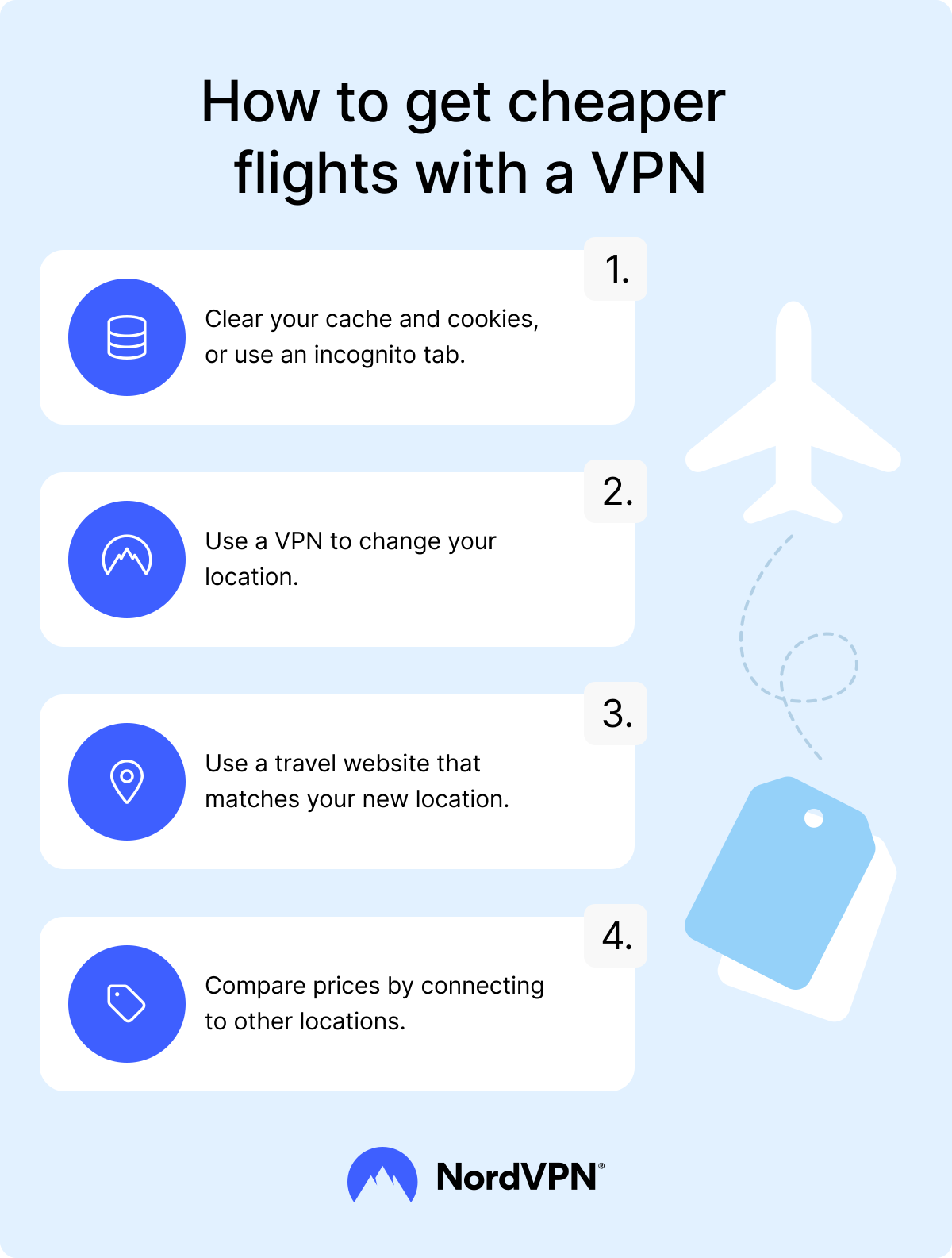
The trick is to make it appear as if you’re browsing from a country where the prices are lower. Your IP address reveals your geographical location. What you need to do is change it. A VPN can do so with one click.
Using a VPN to book flights allows you to test this location trick instantly. For instance, if the tickets to your desired destination cost less when booked via a UK website rather than a French one, simply pick a VPN server in the UK.
6. Avoid targeted bandwidth throttling
If you’re doing something online that uses a lot of internet bandwidth — gaming or streaming content, for example — your internet service provider (ISP) might target you with bandwidth throttling tactics.
Bandwidth throttling happens when your internet service provider attempts to reduce bandwidth congestion and regulate network traffic, directly affecting your internet speed. A VPN helps you avoid activity-based ISP throttling and slow connection speeds.
An internet provider can restrict users who consume a lot of data and deliberately slow them down to offer the same speeds to everyone. A VPN encrypts your online traffic so your ISP can no longer track your online activity. If the ISP restricts the entire network in your area, your data will slow down no matter what you do, but if it targets you specifically because you use large amounts of data for streaming video content or playing online games, a VPN can help. Although the amount of data used is still visible to the ISP even with your VPN turned on, you can enjoy your online games without major bandwidth disruptions.
7. Secure and speed up file downloads using VPN P2P servers
P2P (peer-to-peer) file sharing is a networking technology that allows sharing digital media, such as books, music, software, videos, or large data sets, across the network. However, many ISPs are not thrilled about their customers engaging in P2P activities, resulting in slow connection speeds, limited bandwidth, or access to restricted file-sharing websites. But your ISP isn’t the only bad guy here. All users on the same network can see each other’s IP addresses, which could impose a serious security threat and open the door to cybercriminals.
To keep your personal data more secure while using P2P, turn on a VPN. With a VPN, your IP is replaced with the VPN server’s IP and your online traffic is encrypted so no one can see or intercept it. You will be able to use P2P without your ISP slowing down the connection and stay safer at the same time.
8. Minimize tracking from advertisers and websites
Online tracking has now become a normal part of how most websites and online platforms work. Advertisers, analytics providers, and data brokers routinely collect information about users’ online activity, often without explicit consent. One of the primary identifiers used in this process is your IP address, which reveals your approximate physical location and allows companies to link your browsing behavior across multiple websites.
When you use a VPN, your real IP address gets replaced with one assigned by a VPN server. This process makes it significantly more difficult for advertisers to follow you from site to site and create a single profile based on your internet activity. As a result, your browsing history becomes less exposed to large-scale data collection.
In addition to IP masking, many reputable VPN providers offer built-in features that go further than basic VPN encryption. These may include tracker blocking, DNS filtering, and ad-blocker functionality. Such tools help reduce the number of tracking scripts, cookies, and third-party requests loaded when you visit most websites, improving both online privacy and page performance.
9. Protect against DDoS attacks
Distributed denial-of-service (DDoS) attacks are a serious security threat that can disrupt internet access by overwhelming a target with traffic. While businesses are common targets, individual users — especially those involved in online gaming, streaming, or public-facing activity — can also be affected.
DDoS attackers rely on knowing the target’s real IP address. Once they identify it, they can flood the connection with requests, causing severe slowdowns or complete loss of connectivity. It’s particularly disruptive during competitive gaming sessions, live streams, or remote work.
With a VPN turned on, you use the IP of the VPN server instead of your own, which means attackers cannot directly target your personal connection. Instead, any attempted attack would be directed at the VPN infrastructure, which is designed to handle large volumes of traffic and mitigate such threats more effectively than a home or mobile internet connection.
10. Get localized search results
Search results are heavily influenced by location. Search engines use your IP address to determine where you are browsing from, which directly affects the content, prices, language, and sources you see. It can be limiting when you need accurate local information from another country or region.
By connecting to a different server with a VPN, you can make it appear as though you are browsing from a different physical location. By doing so, you can see localized search results as local users do, including regional news, local business listings, pricing, and language-specific content.
What are the most popular uses for a VPN?
Besides the multiple additional VPN benefits mentioned above, the most common reasons why people use VPNs still remain the following:
- Privacy protection. Public Wi-Fi networks in places like cafés, airports, hotels, or coworking spaces are often unsecured, which makes it easier for attackers to intercept data. A VPN encrypts your connection, so any information you send over the internet stays unreadable to outsiders, even if someone tries to spy on the network.
- Safeguarding IP information. One of the most common uses of a VPN is changing the visible IP address. Instead of showing a home or office location, websites see the VPN server’s location, which helps prevent easy identification, location exposure, and IP-based tracking.
- Securing their data. A VPN protects your data while it travels between your device and the internet. When you check a bank account, sign in to work tools, upload documents, or open a medical portal, the VPN encrypts that information first. This process reduces the risk of data leaks, session hijacking, and man-in-the-middle attacks.
And if you are choosing between a free VPN and a paid VPN, always go for a premium VPN service. Free VPN services might track and collect your data, clutter you with ads, and have minimal functionality. If you’re looking to get more value without overspending, NordVPN now offers bundle deals that combine a secure VPN service with additional cybersecurity tools at a competitive price. Depending on the plan, these bundles can include features like advanced threat protection, a password manager, and encrypted cloud storage, making it easier to cover multiple online security needs with a single subscription.
How to choose the right VPN for you
Any VPN might look fine on paper, but not all of them deliver. The best VPN provider is the one you can trust and that performs well in real life. Look for:
- Transparent policies and independent audits. A trustworthy VPN provider should clearly explain what data it does — and does not — log. Transparent privacy policies and, ideally, independent audits help confirm that the service actually follows through on its claims.
- A large and reliable VPN server network. The size and distribution of a VPN server network directly influence performance and flexibility. More servers in more locations make it easier to switch regions, avoid overloaded servers, and maintain a stable connection. A broader network also reduces the chance of running into a congested server during peak hours.
- Strong encryption and modern protocols. The VPN should use up-to-date encryption standards and modern protocols designed for both security and speed. These technologies help protect your data while keeping your internet connection stable, even when you’re using streaming services, gaming, or handling large amounts of traffic.
- A kill switch for connection safety. A reliable kill switch adds an extra layer of protection. If the VPN connection drops unexpectedly, the kill switch cuts off internet access to prevent data leaks and accidental exposure of your IP address.
- Useful extras and device support. Additional features such as threat protection, tracker blocking, and ad blocker tools can enhance everyday online safety. Support across multiple devices also makes it easier to protect your entire setup without complicated configurations.
What can you do with NordVPN?
In addition to the usual VPN benefits, NordVPN offers even more VPN features to improve your online experience:
1. A better online gaming experience
Online gaming works best when your connection is fast, stable, and secure. A VPN can help create a more reliable environment for multiplayer sessions. However, NordVPN’s Meshnet adds another advantage by letting you create a secure direct connection with friends or your own devices. This feature makes it easier to game together, host private sessions, or play as if you were on the same LAN network — even when you’re miles apart.
2. Protect yourself from phishing attempts
Email phishing is a widespread cyberattack that uses email as the primary means of deception. An email phishing attack tricks the recipient into clicking on a malicious link, downloading malicious software, or providing personal information to third parties. NordVPN’s security feature Threat Protection Pro™ scans downloads in real time and blocks malicious files before they have a chance to reach your device and cause harm.
3. Stop intrusive and malicious ads
Nothing is more annoying than dozens of ads on a website when you simply want a recipe for apple pie. Threat Protection Pro™ works just like an ad blocker, preventing intrusive ads from popping up while you browse and letting you surf the net without interruptions. Plus, while some ads are only intrusive, others may even contain malware that could damage your device.
4. Block tracking cookies
Using a private browsing mode only stops trackers when you close your browser. NordVPN’s Threat Protection Pro™ also works as a tracker blocker as you browse and prevents third-party trackers from snooping on you around the internet and gathering your personal data. Malicious actors can gather a lot of your personal information, including your IPs, addresses, devices and browsers used, time spent on websites, political views, family status, and even food preferences. A tracker block is necessary for protecting your data from prying eyes.
5. Access your local network from afar
Important files don’t always stay where you are. With a VPN and Meshnet, you can securely connect to your home devices from anywhere and gain access to photos, documents, or large files as if you were on your local network. It’s a simple way to reach your own data remotely without exposing it to the public internet.
6. Convenient browsing on the Onion network
Onion Over VPN is another handy feature of NordVPN. It works just like The Onion Router (Tor) but provides the extra security of a VPN tunnel. This easy-to-use feature sends your internet traffic through layers of encryption, making it very difficult to track your online activity. NordVPN safeguards your incoming and outgoing traffic, giving you more peace of mind when surfing the web.
7. Get alerts about accounts in danger
Even if you take excellent care of your security in cyberspace, data breaches can still occur. Your sensitive information may land on the dark web and cause identity theft. Yet another NordVPN feature, Dark Web Monitor, continuously scans the dark web and will notify you about any exposed personal data so you can take proper action to protect yourself.
Online security starts with a click.
Stay safe with the world’s leading VPN