What is a VPN for travel?
A VPN (virtual private network) is like a secure tunnel between your device and the internet. Instead of connecting directly to a public network (like airport Wi-Fi), you connect through a VPN server. This tool hides your real IP address and makes it look like you’re browsing from wherever the VPN server is located.
A VPN for international travel goes further. It’s built for travelers who want a secure, private, and unrestricted internet connection, whether they’re at a hotel, an airport lounge, or a café halfway around the world.
Why do you need a travel VPN?
When you’re traveling, your internet behavior changes. You may connect to random Wi-Fi hotspots or try to access content from your home country. Each of those moments creates a small window of risk, but using a VPN while traveling can help avoid that risk.
Protect your data on public Wi-Fi networks
Free airport Wi-Fi feels convenient until you realize it’s one of the easiest places for hackers to intercept data. Without encryption, your passwords, email addresses, and credit card info can be exposed.
A travel VPN is key to securing public Wi-Fi. It shields you from common online threats like packet sniffing, fake Wi-Fi hotspots, and man-in-the-middle attacks). With a VPN on, you can safely book hotels, log in to your online banking account, and transfer money between accounts without worrying that someone’s looking at your personal information.
Enjoy unrestricted access to the web
Ever tried streaming your favorite show abroad only to get the dreaded "not available in your region" message? Most streaming platforms change or limit what you can watch based on where you are, even if you’ve already paid for the service. With a VPN, you can connect through a server in your home country and regain full access to your subscriptions.
If you’re heading to a country with stricter internet censorship, you’ll also need a VPN. For example, the “Great Firewall” refers to China’s wide-ranging internet restrictions, which ban access to Western media and websites, including Facebook, Instagram, YouTube, Netflix, and X (Twitter). A VPN helps bypass these limitations.
Save money on flights and hotels
Travel sites often use dynamic pricing, meaning they show different prices depending on your location or browsing history. If you switch to a server in another country or region, you can get the cheapest international flight deals with a VPN. Especially during the holiday season, when prices surge before Christmas and New Year, this trick can make a real difference.
Protect your privacy
Everywhere you go, websites, advertisers, and even local ISPs try to track your browsing habits. VPN software masks your IP address and encrypts everything you do online, shielding you from invasive data collection. Whether you’re in an internet café in Thailand or a co-working hub in Berlin, your online footprint stays private and secure.
How to choose the best VPN for travel
Let’s explore some of the many benefits of a VPN service. When choosing a VPN for travel, it’s important to consider different factors that ensure the best service for your needs.
Security and privacy
Get a VPN that prioritizes strong security measures, AES-256 encryption, secure protocols like OpenVPN or WireGuard, and a strict no-logs policy. These features are what keep your personal data off anyone else’s radar.
Server network
A strong global network gives you options — better speeds, more stable connections, and the freedom to appear online from almost anywhere. NordVPN’s global server network spans 7,400+ servers in 110+ countries, so you can count on a fast and stable connection no matter if you're in Tokyo, Toronto, or Tbilisi.
Consider your destination
Some countries have strong censorship laws or block certain websites entirely. A VPN with obfuscated servers disguises the fact that you’re using a VPN, letting you stay connected and access the open internet even where VPNs are restricted.
Performance
There’s nothing worse than buffering during a video call or a laggy remote work session. A fast, stable VPN protocol like NordLynx ensures smooth browsing and streaming without draining your mobile data or patience.
Device compatibility
You probably travel with more than one device — your phone, laptop, and maybe a tablet too. The best travel VPNs let you secure multiple devices under one account, so you stay protected no matter what you're using or where you log in from.
Customer support
When you’re abroad and your VPN stops working, you don’t have time to dig through forums. Choose a reliable VPN provider with real 24/7 support from people who can actually help you fix the problem.
Access blocked websites
If you’re traveling to a country that blocks social media or messaging apps, your VPN should reliably bypass these restrictions. Look for a VPN company with a proven track record in high-censorship regions.
Value for money
Don’t just go for the cheapest option — go for what gives you the most reliable protection and performance for the price. The best VPN services for travel usually offer long-term plans that lower the monthly cost significantly.
The exclusive benefits of NordVPN’s features for travel
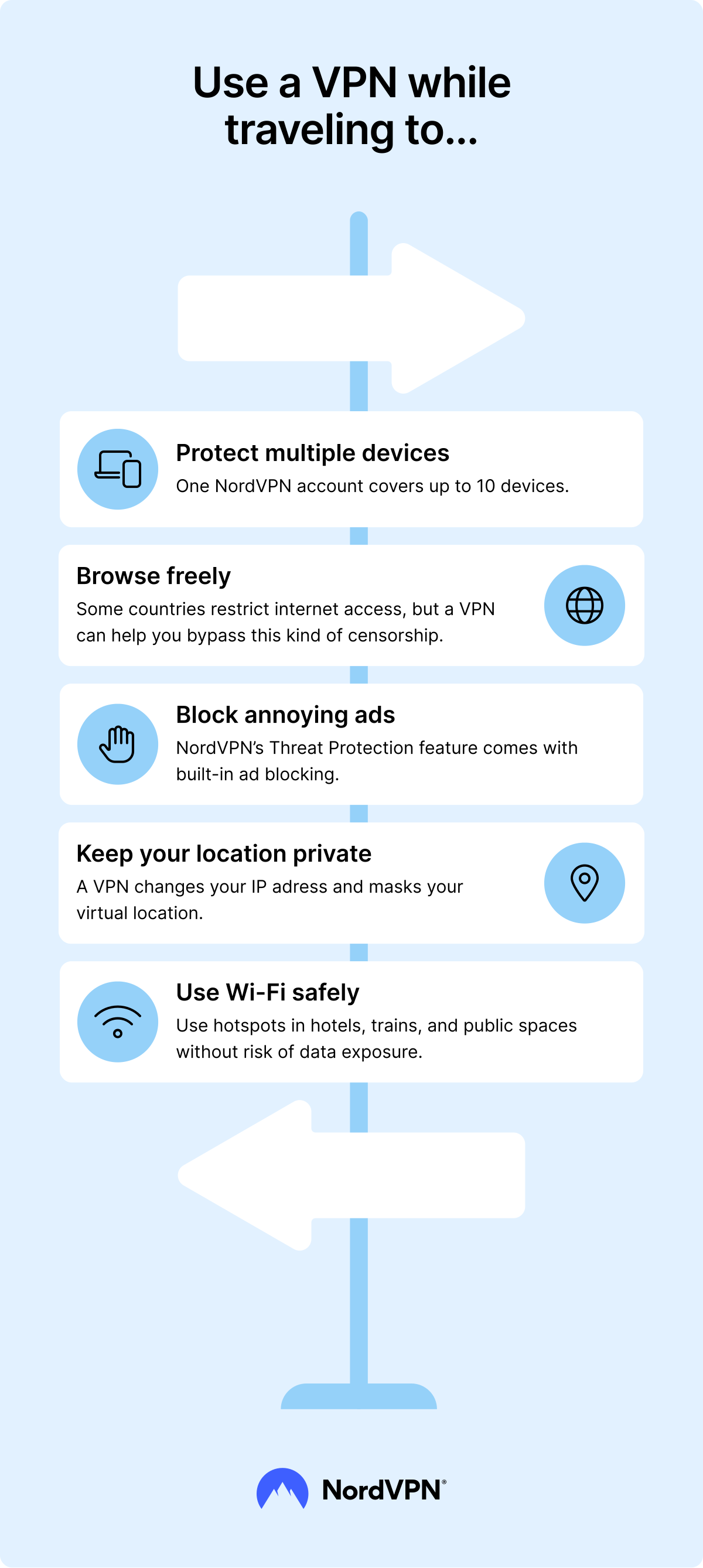
NordVPN isn’t just another VPN — it offers exclusive features to enhance your online privacy and security abroad:
- Threat Protection Pro™. It blocks trackers, malicious sites, and infected downloads even if your VPN is off. It’s a simple way to stay safe on unfamiliar networks and prevent some of the travel scams online.
- An extensive server network. Thousands of servers in 110+ countries mean you’ll always find a fast local connection wherever you travel.
- Obfuscated servers. If you’re in a country that limits VPN use, these servers disguise your VPN traffic, letting you access the web freely and securely.
- Kill Switch. If your secure VPN connection drops for any reason, Kill Switch immediately cuts off internet access to keep your data from slipping out unprotected.
- The NordLynx protocol. Built around the WireGuard® standard, it delivers lightning-fast speeds with top-tier security. It’s great for HD streaming, video calls, and file transfers abroad.
- Meshnet. Link multiple devices securely, even across continents. Share files or access your home computer while abroad without relying on third-party cloud services.
- Dark Web Monitor. Get notified if your personal data leaks online while you’re away.
How to use a VPN when traveling
Setting up and using a VPN for travel is simple even if you’re halfway across the world:
- 1.Choose a VPN provider and sign up for the service.
- 2.Download and install the VPN app.
- 3.Log in and connect to a nearby VPN server for optimal speed or to your home country to access familiar websites.
- 4.Test the connection to ensure it works properly. You can do this by visiting our page that shows your IP address. If the IP address displayed differs from your actual IP address and corresponds to the location of the VPN server you selected, then the VPN works.
With NordVPN, it takes seconds to secure your connection. Check the current VPN prices and subscribe before your next trip.
Online security starts with a click.
Stay safe with the world’s leading VPN
Cyber hygiene checklist to use before hitting the road
Good prep means fewer problems later. A few smart moves before you leave can save you from serious headaches and help you avoid becoming another cybercrime statistic while abroad. Run through this quick checklist before you board that flight:
- Keep your software up to date.
- Use unique and complex passwords.
- Enable two-factor authentication on key accounts.
- Secure your devices with passcodes or fingerprints.
- Install your VPN app and test it before departure.
- Check if the country you’re visiting allows VPN usage.
- Avoid connecting to public Wi-Fi networks. If you really have to do this, only use Wi-Fi with a VPN.
- Turn off automatic Wi-Fi connections on your phone and laptop.
- Back up your important data in a safe location.
- Disable Bluetooth and Wi-Fi when you don’t use them.
- Credit cards usually have better fraud protection than debit cards. Use them instead.
- Use mobile payment apps like Apple Pay or Google Pay to protect your financial data. Apple Pay security is particularly strong because it encrypts your payment information and uses unique transaction codes for each purchase.