What to do if someone has your Social Security number
If someone has your Social Security number, you need to act quickly to lower the risk of identity theft or misuse of your PII. Knowing what to do if your SSN is compromised and the best ways to respond to identity theft helps you to ensure your data stays safe even if your SSN is in someone else’s hands.
Report to Federal Trade Commission (FTC)
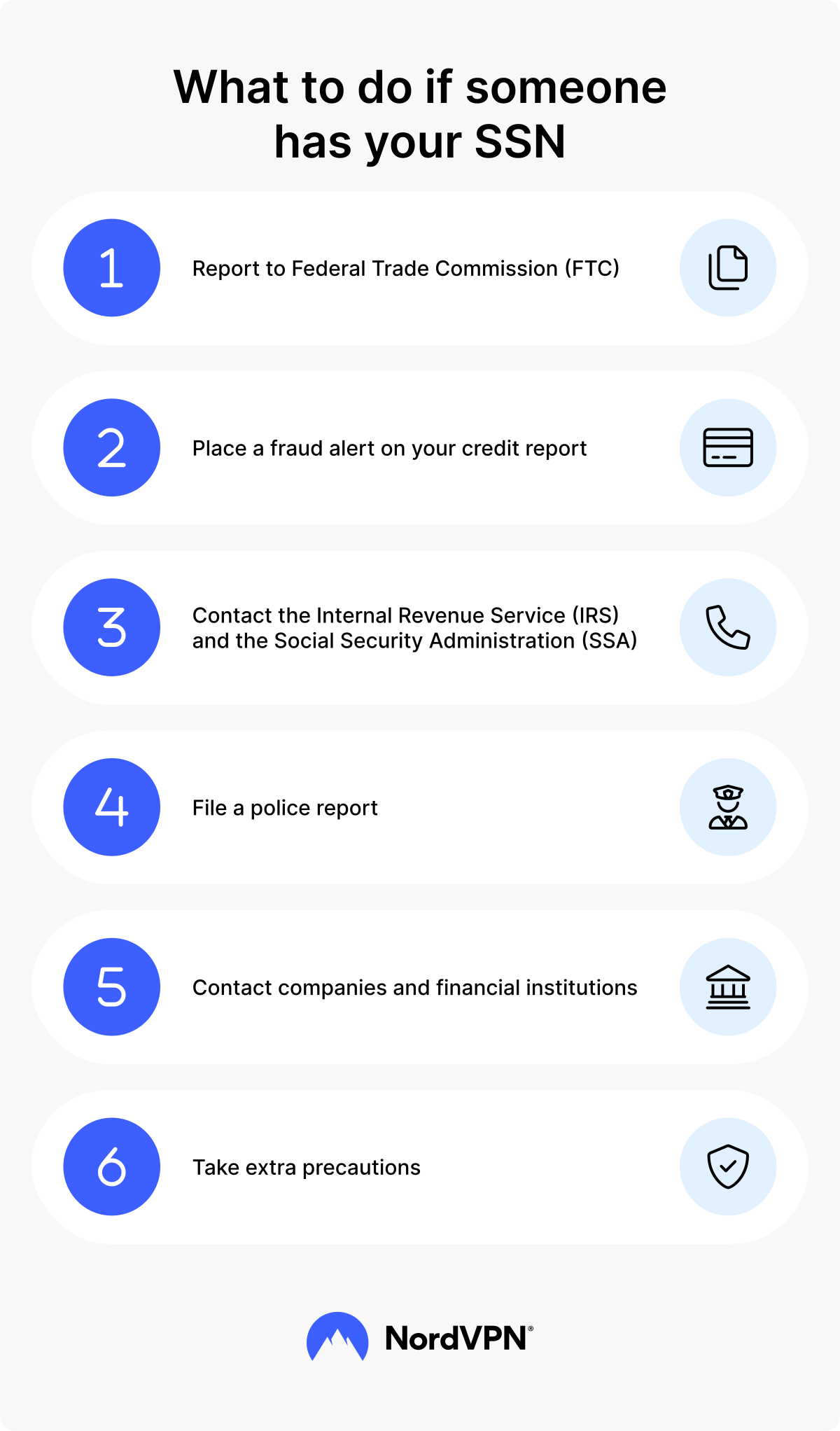
Start by filing an FTC identity theft report through IdentityTheft.gov. Submitting this report creates an official record of the incident and gives you a personalized recovery plan if you later need to report stolen identity to banks or other institutions. Keep the confirmation and any documents you receive because financial or credit agencies may ask for them during the investigation.
Place a fraud alert on your credit report
Placing a fraud alert on your credit report warns lenders to verify your identity before approving new accounts, which helps protect your personal or financial information after an SSN compromise. You can request a fraud alert through one of the three major credit bureaus — Experian, TransUnion, or Equifax — and they will notify the other two.
If you’re already dealing with suspicious activity, you can also request an extended fraud alert on your credit report, which stays active for a longer period and offers stronger protection.
Contact the IRS and SSA
If someone misuses your security number for tax or benefits claims, contact both the Internal Revenue Service (IRS) and the Social Security Administration (SSA) as soon as possible. The IRS can flag your records to prevent an identity thief from filing a fraudulent tax return in your name, which often results in tax fraud. The SSA can review your earnings record and correct any activity that doesn’t belong to you, helping protect your personal information from further misuse.
File a police report
If someone misuses your SSN, filing a police report gives you an official record of the incident. It helps you show that an identity thief used your information if a bank, lender, or agency questions suspicious activity linked to identity theft. Keep a copy of the report because you may need it when reviewing your social security statement or speaking with credit agencies during the investigation.
Freeze your credit
A credit freeze blocks lenders from opening new accounts in your name, which is one of the most effective ways to limit identity theft after your SSN is exposed. You can place a freeze with any of the major credit bureaus and lift it whenever you need to. While it’s active, consider using free credit monitoring to stay aware of changes or inquiries linked to your security number.
Contact companies and financial institutions
Reach out to any company where your SSN may have been used or could be at risk, including banks, credit card providers, medical offices, and government agencies. Let them know that your security number may have been exposed so they can flag your account, verify future requests more carefully, or stop changes linked to identity theft. Some institutions may ask for documentation, such as your FTC report or police report, so keep those ready.
Take extra precautions
When your SSN is involved, small steps can help protect your sensitive information from further misuse. Remember to:
- Keep records of phone calls, emails, or letters linked to the incident.
- Avoid sharing any additional personal details until you confirm who you’re speaking with.
- Review bank statements and your social security statement for activity you don’t recognize.
- Save copies of all documents you file with agencies, police, or credit bureaus — these may be needed later if you decide to request an extended fraud alert.
How to block your SSN from being used
If your SSN is compromised and you’re worried someone may try to use it, you can block electronic access to your Social Security records through the SSA. Call its National 800 Number at 1-800-772-1213 (TTY 1-800-325-0778) and ask for an electronic access block on your account.
Once it’s active, no one — including you — can view or change your records online or by phone, which helps protect your sensitive information, especially if you notice suspicious entries on your Social Security statement.
Blocking electronic access to your records works alongside other protective steps like placing a fraud alert, using a credit freeze, or contacting the credit bureaus.
What can someone do with your SSN?
If your SSN is stolen, a scammer can use it in several ways, depending on what information they already have. Understanding what people can do with your SSN helps you see where the risks are, especially after a data breach or if your number is actively being misused.
For instance, once a scammer has your SSN, they can:
- Open credit accounts in your name. A scammer may try to apply for loans, credit cards, or other financial products, especially if no fraud alert is in place with the credit agencies.
- Commit identity theft. With enough supporting details, someone can impersonate you to access services, apply for benefits, or interact with government agencies under your identity.
- File a fraudulent tax refund. Criminals may submit a fake return to claim a tax refund, which creates serious issues you’ll need to resolve with the IRS.
- Use your SSN for employment. Someone may use your number to pass a background check or avoid tax responsibility, which can cause misleading earnings to appear on your records.
- Carry out financial fraud. Stolen SSNs are often used together with credit card information to commit fraud, including cases of credit card fraud.
- Access or alter your records. Scammers may try to change details linked to your SSN, including benefits, employment data, or linked accounts, if other pieces of information are available.
Signs that your SSN has been stolen
If you’re trying to understand how to check whether someone is already using your Social Security number, watch for changes in your financial records, taxes, or accounts linked to your identity. These are the same warning signs people often notice before they need to report identity theft:
- New credit inquiries or unfamiliar accounts on your credit report. If you see activity you don’t recognize, your first step should be to consider placing an initial fraud alert to slow down further misuse.
- Unauthorized charges, unexpected bills, or debt collection notices. All three can appear if someone uses your details during or after a scam.
- Notices from the IRS about unfiled income or a rejected tax return. Such notices can indicate a fraudulent filing connected to identity theft, especially when someone tries to claim a refund in your name.
- Messages from government agencies about benefits or applications you never submitted. Criminals may use stolen SSNs to access services or jobs linked to your identity.
- A dark web alert or exposure in a data breach. If you got a dark web alert or learn that you became a victim of a data breach, your SSN may already be circulating on the dark web.
- Suspicious activity on your bank accounts or credit report. Any unexplained transactions or changes should be taken seriously, especially if they appear together with early signs of identity theft.
If you suspect your identity is in danger, learn more about how to check if someone is using your identity.
How can you prevent your Social Security number from being stolen?
You can reduce the risk of identity theft by taking simple steps that protect both your physical documents and the online accounts tied to your SSN. Most issues start with weak security habits, lost paperwork, phishing attempts, or details leaked in security breaches, so strengthening the way you handle your information makes a real difference.
To keep your SSN safe:
- Don’t carry your Social Security card with you. Keep it stored safely at home to avoid losing it or exposing it during everyday situations.
- Share your SSN only when you’re sure the request is legitimate. If someone asks for it over the phone or email, confirm the source first — many identity theft cases begin with phishing emails or phone scams.
- Protect physical and digital documents that contain your SSN. Shred old paperwork you no longer need and secure digital files with strong passwords.
- Turn on multi-factor authentication wherever possible. It adds an extra checkpoint before anyone can access accounts that store sensitive information.
- Avoid using public Wi-Fi to access banking or tax accounts. Public networks make it easier for criminals to intercept personal details.
- Monitor your credit report regularly. Checking it helps you spot new accounts or activity you don’t recognize, which are early signs of potential identity theft.
- Review your Social Security statement on the SSA website. Unfamiliar earnings or benefits activity can indicate that someone might be using your number.
- Use dark web monitoring to see if your SSN appears in leaked data. If your number is found after a data breach, monitoring helps you react faster.
- Be careful with links or attachments in unexpected emails. If you do click something suspicious, learn what to do if you open a phishing email.
- Consider a credit monitoring service, especially if your SSN has been exposed before. These services alert you to changes in your credit file or new applications linked to your identity.
- Place a fraud alert with any of the major credit agencies if you suspect misuse. It encourages lenders to verify your identity before approving credit in your name.
- Implement additional security measures like Threat Protection Pro™. These tools block malicious websites, risky downloads, and trackers that often play a role in data theft.
Get alerts about information leaks and suspicious activity.
Protect your identity and finances
Get alerts about information leaks and suspicious activity.
Protect your identity and finances