Are VPNs worth it?
Whether a virtual private network (VPN) is worth it depends on several factors, but the short answer is yes — a VPN, especially a premium one, is always worth having. With a VPN, your internet activity becomes more private through encryption, which makes it much harder for hackers, advertisers, or your internet service provider (ISP) to monitor what you do online.
How it works: A VPN protects your connection by encrypting your internet traffic and sending it through secure servers. It also gives you a new IP address to mask your virtual location and prevent others from tracking your activity. Encrypted traffic is unreadable to anyone trying to intercept it, so hackers and snoopers can’t use it.
Why having a VPN is worth it
A VPN allows your device to connect to the internet more securely while consequently increasing your digital privacy. Below are six key benefits of using a VPN, explained in detail.
1. It improves your privacy
Every time you go online, invisible parties collect your data. ISPs, advertisers, data brokers, and third-party trackers monitor your browsing data, search queries, and even the devices you use. That’s why every small search or website visit ends in eerily specific ads targeting you.
For people concerned about the safety of their personal information, a VPN is the perfect solution. It masks your actual IP address and assigns you a new one, improving your privacy online. VPNs also encrypt all your internet traffic, which ensures that ISPs cannot track your browsing activity or time spent on websites.
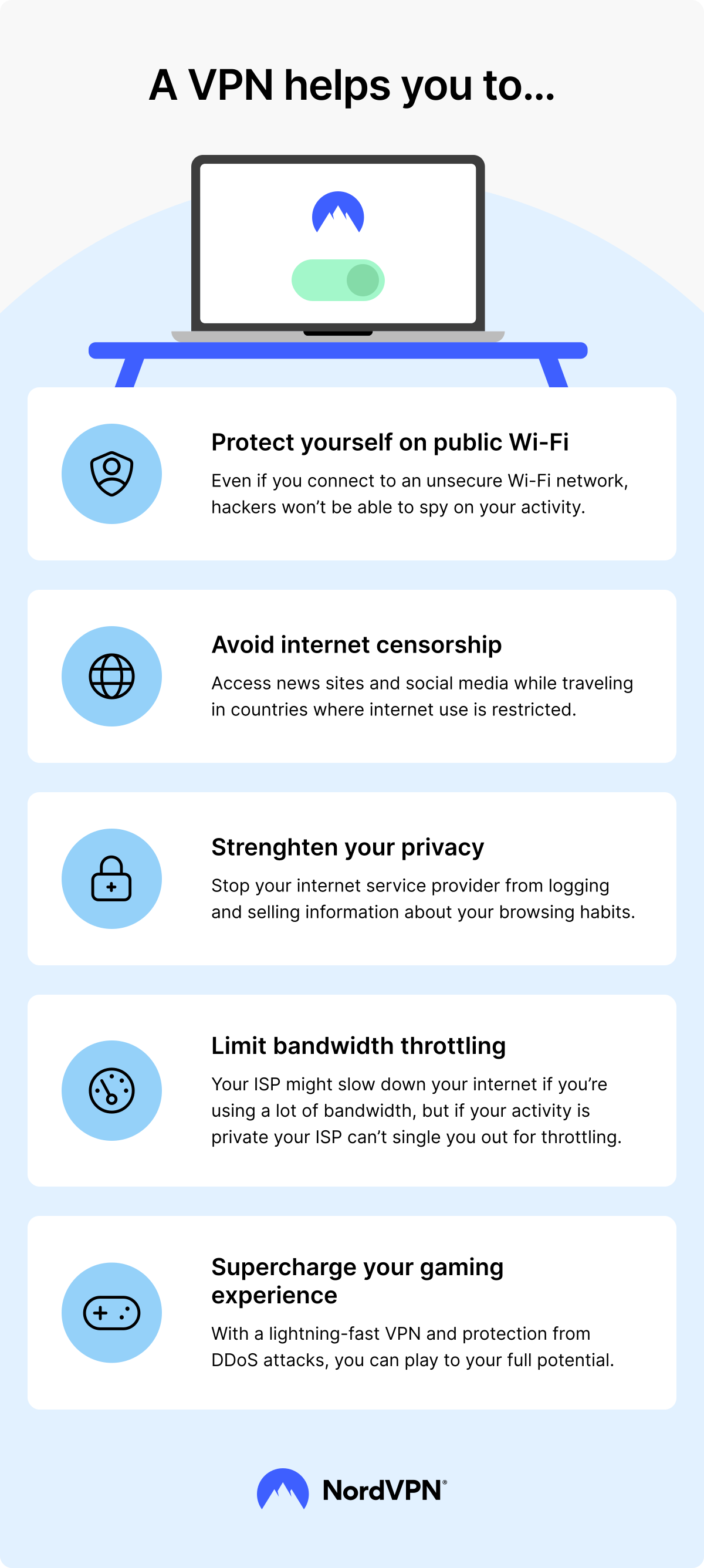
2. It protects you on public Wi-Fi
Public Wi-Fi networks in cafes, airports, and train stations may seem harmless, but hackers often target them. Cybercriminals can create fake wireless networks with innocent names like “Café Wi-Fi” to trick unsuspecting users.
When you connect to an unsecured network, hackers can intercept unencrypted data, such as login credentials, emails, or credit card information. Using HTTPS websites and a VPN can help reduce these risks.
A VPN secures your internet connection by encrypting your traffic, which ensures that cybercriminals can only see meaningless, unreadable code — even if you accidentally join a fake hotspot.
3. It can help you access unavailable content while traveling
In some regions, governments enforce strict internet censorship that limits what you can access online. This practice, often used in authoritarian countries, blocks access to social media platforms, independent news websites, and essential communication tools. These restrictions impact freedom of expression and restrict access to vital information.
A virtual private network lets you access the internet more freely by giving you a new IP address. When you connect to a server in a different region, websites and apps see the IP address of the VPN server instead of yours. This means you can access important communication tools, educational materials, or other resources essential to staying informed.
Some VPN services like NordVPN go further by offering obfuscated servers. These secure servers hide the fact that you’re using a VPN, which makes them especially useful in regions with strict censorship or restrictive internet policies.
A VPN is also helpful if you’re traveling and want to stream content from your home country. For example, if you’ve paid for an online streaming service, a VPN ensures you can continue watching your favorite shows and movies while temporarily abroad.
4. It can help you avoid bandwidth throttling
Does your internet slow down while you stream videos, play online games, or download files? If so, your internet service provider might be slowing your connection on purpose. ISPs might reduce speeds for specific activities that use a lot of bandwidth, like streaming or gaming.
With a VPN, you can stop this type of bandwidth throttling. When you use a VPN, your traffic travels through a secure, encrypted tunnel. Your ISP can’t see what you’re doing online or identify specific types of traffic. Without this information, they can’t selectively limit your connection.
Keep in mind that a VPN can’t stop your ISP from slowing your connection during times of heavy network traffic, like peak hours. However, it prevents targeted throttling based on your specific activities, which creates a smoother experience for streaming or gaming.
Please note that using NordVPN services for any illegal activities is strictly prohibited and violates our Terms of Service. Make sure your use of NordVPN services complies with all relevant laws and regulations, including those of any service providers and websites you access using NordPVN.
5. It can improve your online privacy and security while gaming
Other than helping you avoid traffic-type-based bandwidth throttling, a VPN can also improve your digital privacy and security while gaming. Online gaming can bring risks, especially when malicious players target you with distributed denial-of-service (DDoS) attacks. These attacks flood your network with fake traffic, which can cause extreme lag or even disconnect you from the game entirely.
A VPN keeps you safe by masking your real IP address. If someone launches a DDoS attack, it targets the VPN server instead of your personal connection. VPN servers are built to handle large amounts of traffic, so the attack won’t affect you. If the server slows down, you can quickly switch to another one and keep playing without interruptions.
A VPN also boosts your online privacy. It keeps your IP address and virtual location private, so other gamers or cybercriminals can’t track or harass you outside the game. This protection adds an extra layer of security, which lets you focus on playing instead of worrying about who’s trying to access your personal information.
While some claim a VPN can reduce lag, this isn’t common. In rare cases, a VPN for gaming may find a better data route and improve latency, but it’s not a guarantee. Instead, think of a VPN as a tool to improve your privacy and keep you more secure while gaming online.
6. It can get you better deals
Travelers and online shoppers often deal with unfair pricing practices based on their location. Airlines, hotels, and other online services adjust prices depending on your region. For instance, flight tickets and hotel reservations might cost you more if you’re browsing from a high-income country compared to someone in a region with lower purchasing power. (PS: If you are interested in learning how to use a VPN for cheaper flights, just click the hyperlinked text.)
A VPN can help level the playing field. By connecting to servers in different regions, you can browse pricing options as if you were located elsewhere. For example, connecting to a VPN server in a country where prices are lower might reveal cheaper flight tickets or hotel rates. In some cases, the savings can add up to hundreds of dollars just by switching your virtual location.
This pricing flexibility also applies to subscription services. Certain streaming, gaming, or software platforms may charge different prices for the same service depending on the user’s location. A VPN gives you the flexibility to explore better pricing options legally and securely, ensuring you get the best deals without overpaying.
When a VPN might not be worth it
While VPNs come with excellent benefits, they may not always be necessary. A VPN might not be worth it if:
- You’re a casual internet user. If you only use the internet for basic tasks like browsing social media, checking email, or shopping at trusted online stores, you might not feel an urgent need for a VPN.
- You have slow internet speeds. VPNs reroute and encrypt your traffic, which can slightly reduce your connection speed. If you already deal with slow internet, enabling a VPN might make things worse, especially for streaming or gaming.
- You expect complete privacy online. A VPN is not a one-stop solution for all privacy concerns. Cookies, browser fingerprinting, and trackers used by social media platforms can still gather data, even when you use a VPN. Achieving better online privacy requires additional tools like ad blockers, privacy-focused browsers, and strong personal cybersecurity practices. But even with these tools, true complete privacy on the internet is nearly impossible.
If none of these situations apply to you, you may not find a VPN invaluable right now. But if you care about protecting your privacy, securing your data on public Wi-Fi, or accessing your paid subscriptions while traveling, it’s worth considering one. The next step is deciding whether to choose a paid VPN or a free service.
Is it worth paying for a VPN?
Yes, it’s very much worth paying for a trusted VPN service. Free VPNs might seem tempting, but they come with serious risks. Many free services make money by selling your data to advertisers, bombarding you with ads, or even exposing you to malware. Free VPNs often lack strong security protocols, which makes them unreliable for privacy-conscious users.
They also fail when it comes to speed and reliability, a dealbreaker for gaming, streaming, or downloading. Premium VPNs like NordVPN, on the other hand, invest in high-quality infrastructure, provide robust encryption, maintain strict no-logs policies, and give you unlimited access to global servers.
NordVPN offers thousands of ultra-fast VPN servers across 165 locations, advanced features like Threat Protection Pro™ and Kill Switch, and the flexibility to use the service across 10 devices. With competitive prices and reliable service, NordVPN offers great value for securing your online life.
And while it might be tempting to use free alternatives to NordVPN, they won’t offer the same protection and functionality as a premium service that invests in the infrastructure, introduces new features, and works to provide the best possible user experience.
What to look for in a VPN service
Choosing the right VPN can feel overwhelming with so many options available, but focusing on key features can make the decision much easier. When evaluating a VPN provider, keep these six essential factors in mind:
- Top-notch security. Your VPN should prioritize your safety by using strong encryption and trusted tunneling protocols like OpenVPN or WireGuard. Features like a Kill Switch are essential to ensure that your internet connection is cut off if the VPN unexpectedly disconnects. Security is the foundation of a reliable VPN, so don’t compromise here.
- A strict no-logs policy. A no-logs policy ensures the company doesn’t collect or store any sensitive data about your online activities, such as browsing history, IP addresses, or data usage. Look for providers that are transparent about privacy and have undergone independent audits to back their claims.
- Extra features. Useful tools such as split tunneling allow you to customize which traffic goes through the VPN and which doesn’t. Additionally, features like NordVPN’s Threat Protection Pro™ help block ads and trackers, while obfuscated servers are ideal for accessing informational content in restrictive regions.
- Proven reliability. Always choose a VPN provider with a strong reputation and positive reviews from both cybersecurity experts and users. Independent tests, customer feedback, and recommendations from trusted sources can give you confidence that the VPN works as advertised.
- Unlimited use with no restrictions. Paid VPN services should offer unlimited bandwidth and data without unexpected caps or limits. Free VPNs often restrict usage, while paid plans should allow you to stream, game, and browse freely.
TL;DR: So are VPNs really worth it?
Yes, a VPN is absolutely worth it. It protects your online data, secures your internet traffic on public networks, and shields your privacy from hackers, advertisers, and ISPs. Whether you’re streaming your favorite content while traveling or simply browsing at a coffee shop, a premium VPN like NordVPN offers peace of mind and control over your digital life.
A VPN is like a safety net for your privacy. Even if you don’t use it every day, it’s there when you need it most, protecting your sensitive information from unpredictable cyber threats. Without one, your browsing history, personal data, and online activity remain exposed to those looking to track, sell, or exploit your information.
Think of a VPN as a long-term investment in your security. With cyber risks evolving every day, it’s better to stay prepared. For the small cost of a VPN subscription, you can take control of your online privacy, keep your data more secure, and browse freely without unnecessary risks.
Take your privacy into your own hands.
Stay safe with the world’s leading VPN.